


Different Types of Valves Used in Oil and Gas Industry
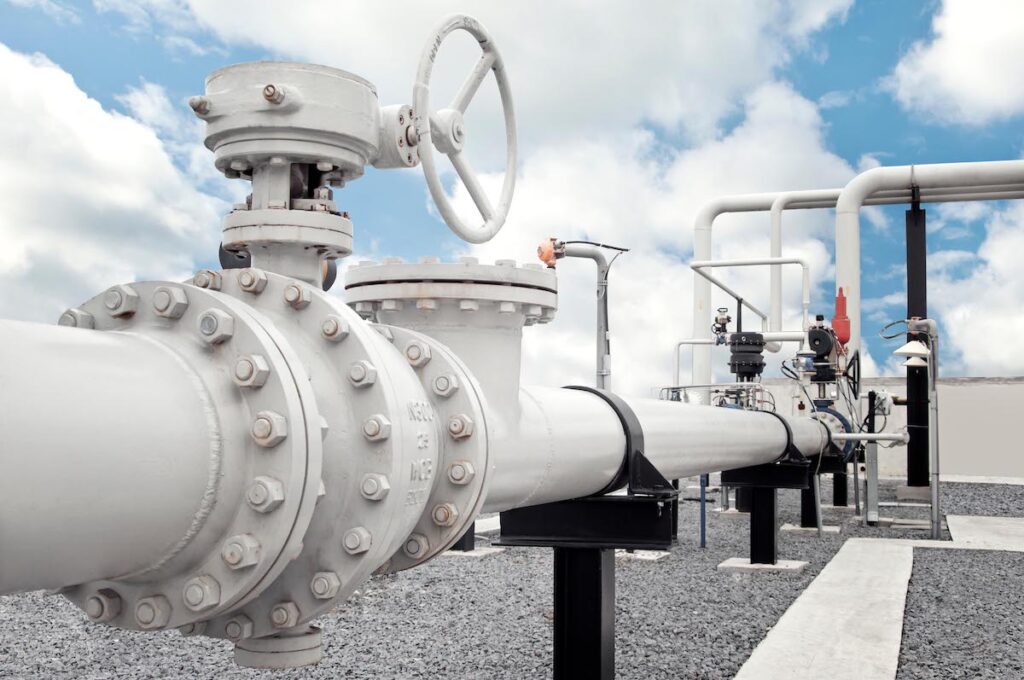
Operations in the oil and gas industry heavily rely on pipeline systems. Any fault in these systems may result in environmental disasters, significant fluid loss, and serious contamination. That’s why pipeline systems count on different kinds of valves to regulate the flow of oils and gases in them. Valves play a crucial role in the safe and secure management of industrial operations. Some operations are conducted under extreme pressures and temperatures; hence the valves are made accordingly to adapt to such conditions. Stainless steel, forged steel, cast steel, PVC, etc., are commonly used in constructing such valves. In the oil and gas industry, valves have major applications in upstream, midstream, and downstream operations. Do you want to know more about different types of valves used in oil and gas industry? Fine, Let’s DBV tell you now! We’re a professional oil and gas valves manufacturer in China, has been focusing on providing custom oil and gas valve solutions to global clients since 2001. Some of the frequently used valves in the oil and gas industry are listed below :
Gate valve
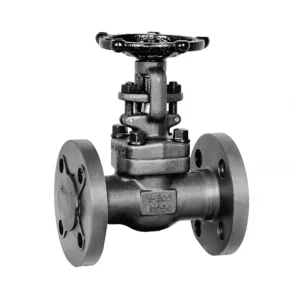
Another excellent valve used in oil and gas industry is the gate valve. Gate valve is used to either start the flow or completely block it. It can not throttle the flow as the globe valve do. In the gate valve, a flat sheet of metal acts as a disc that is supported by the seat on the sides. It is useful in systems with straight-line fluid flow and minimum flow restrictions. Even though the gate valves are bidirectional, they can not be opened or closed rapidly. Also, they are sensitive to vibrations when open. This valve has an excellent shearing action in the oil and gas industry and guarantees a tight seal to prevent leaking of fluid.
Globe valves
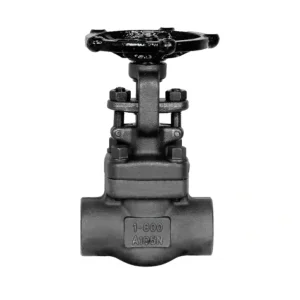
Globe valves are employed for isolation and throttling services in the oil and gas industries. They are named “globe” due to their spherical body. Globe valve can start, stop and regulate the content’s flow without stopping it completely. Globe valve usually consists of 3 parts, bonnet, body, and handwheel. There is a stem present in the bonnet which moves upon the movement of the handwheel. Whereas the body houses a seat whose opening is closed by a plug. Globe valve turbulence of fluid as it passes through by changing the direction of flow. The fluid may experience pressure drop due to turbulence.
Ball valve
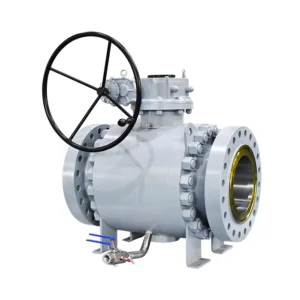
Ball valves, a common oil and gas valve type, are designed to maintain the flow of high-pressure liquid and gases with minimum pressure drop. It consists of a ball-shaped disc, which controls the flow of fluid. When the valve is open, the holes in the ball-shaped disc align with the body and permit the fluid to pass through. The ball valve works well even in harsh conditions. It is one of the most durable valves and has long service life because of its metallic composition. However, the seat of the ball valve is made up of a soft material such as Teflon. Due to this composition, the ball valve can operate at an extensively wide range of temperatures, i.e. as low as -200°C to as high as 500°C. Moreover, these valves can be used for any kind of fluid (liquid, gas, air etc.). They have a quarter-turn valve that provides a quick shut on and off feature.
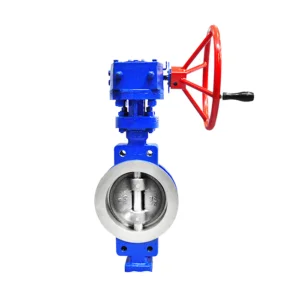
Butterfly valves
Butterfly valves are use for the isolation and regulation of oils and gases. The operation is similar to the ball valve, which allows quick on and off. These valves are usually preferred because they are cheaper and lightweight as compared to other valves. A metal disc located in the middle of the valve is used to control the flow. Pressure drop is evident because the disc is always present in the way of fluid. Other parts of the butterfly valve include the stem, seat, body, and actuator. Various types of butterfly valves are present, each suitable for different pressures and applications. They are well adapted to work in high pressure and high-temperature settings.
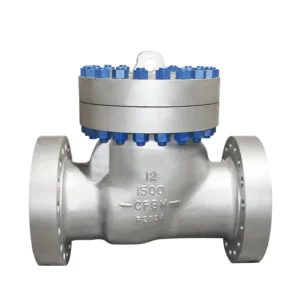
Check valves
Check valves are developed to prevent the backflow of any fluid in order to protect the mechanical parts in the piping system. Generally, they are installed in compressors and pumps where there is a huge backflow of fluid. Check valves are known as “non-return valves” and “one-way valves” because they allow the content to flow in one direction. They do not need a handle, lever, or actuator to work correctly. Instead, the operation of these valves depends on the pressure gradient. The pressure on the input side must be higher than on the outlet side; otherwise, the valve will close. Check valves have various applications in the oil industry. They are made into different designs, materials, and sizes to ensure a check valve for every application. Backflow of fluid can be a serious concern, especially when it is contaminated; however, a check valve is a safe and ideal solution to this problem.
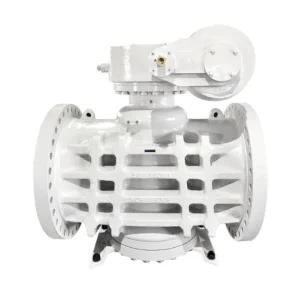
Plug valves
Plug valves are cylindrical or conical valves that control the liquid or gas flow within a high-pressure environment. They are best suited for hazardous liquids and gases which are corrosive in nature. That’s why their time to time maintenance is necessary. These are highly efficient in starting and blocking the fluid flow. Similar to ball valves, plug valves are also quarter-turn valves operated manually. Besides the oil and gas industry, these valves also have applications in food processing, vacuum, and pharmaceutical services. General parts of plug valves include stem, body, bonnet and disc. Furthermore, plug valves have limitations in the systems where there is a wide variation in fluid temperature.
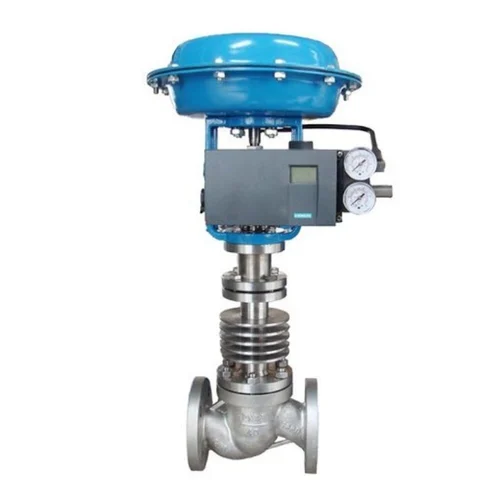
Control valves
The control valves are involved in every stage of oil and gas production. Many types are depending on the use of a specific function. Besides, the equipment of oil and gas production process is in extreme environment condition such as drastic temperature and pressure. Thus, parts can be classified by function and possibility to damages
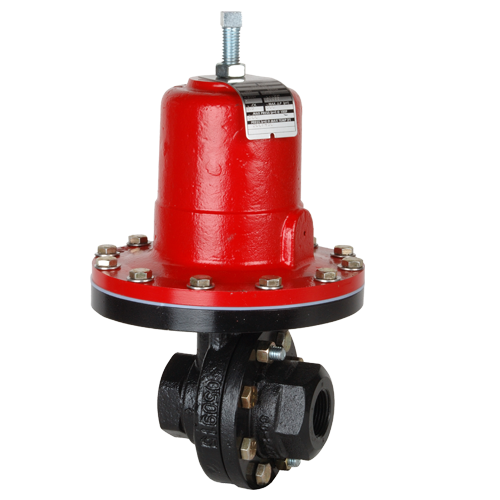
Pressure reducing valves
Oil Pressure Regulating Valves reduces oil line pressure to a constantly maintained outlet pressure despite variations in flow rate. These regulators can be used with inlet pressure up to 250 psi and temperature up to 150 deg C.
- Supply oil to burner at a constant pressure at all operating condition.
- Avoid build up of pressure which occurs upstream of Ratiotrol and other equipment at turn down condition.
- Helps setting of burners and keeps the setting for all conditions.
- Ensures exact flow of fuel to the burner.
- Can be set different pressure to the individual or zone burner/s depending on process requirement.
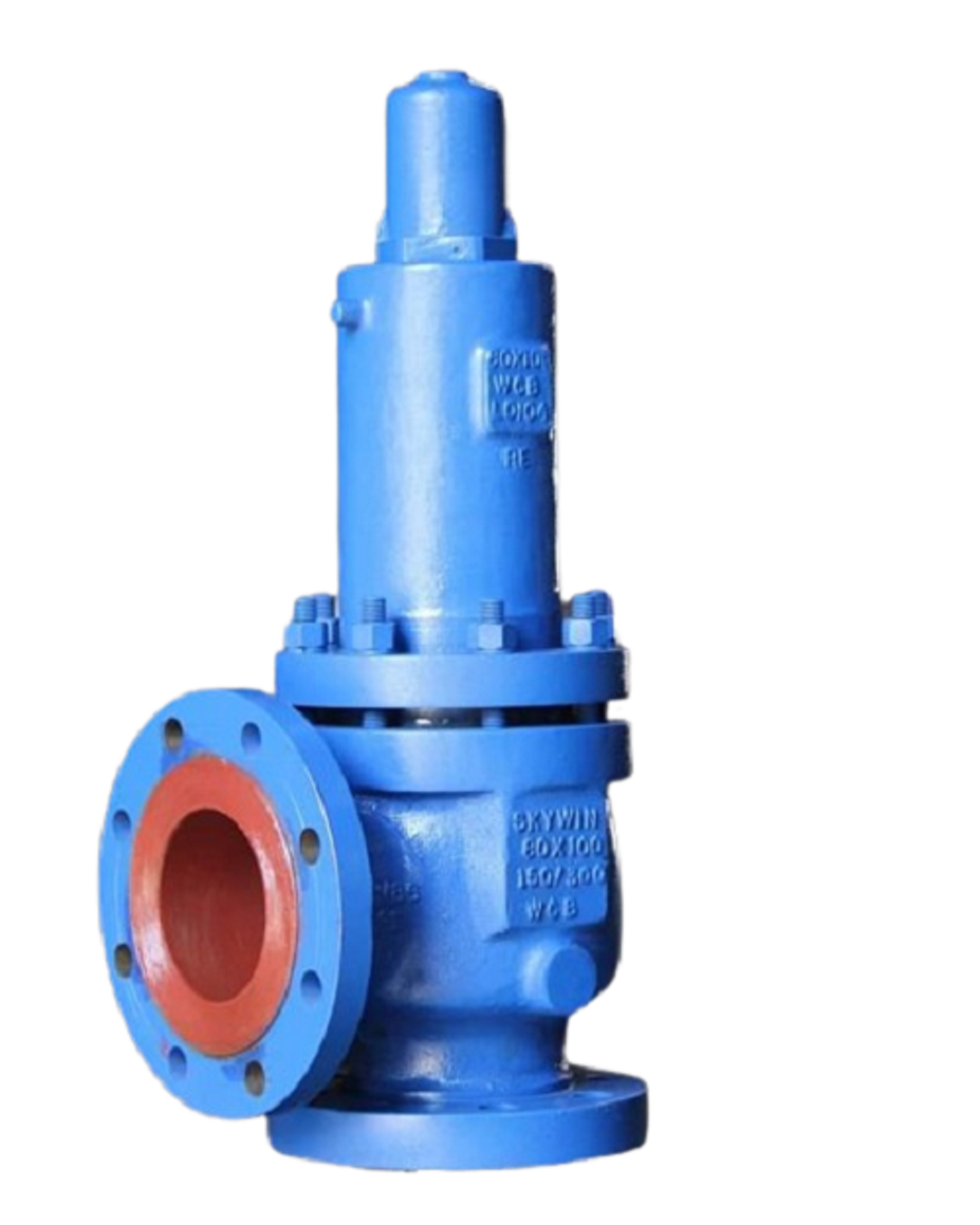
Safety relief valves
Air compressor safety valve is a kind of automatic pressure relief protection device opened by the inlet static pressure, it is to prevent equipment and container abnormal conditions under the pressure too high explosion and set up safety device.
When the pressure in the equipment exceeds the allowable value, the safety valve opens automatically, then the full volume (full opening) discharge, when the pressure is reduced to the specified value, the safety valve automatically closes to protect the safety of the equipment.General air compressor valve is installed above the oil and gas separation cylinder, air compressor in the normal pressure is normal state of the relief valve is closed, problems of the machine under the condition of rising pressure relief valve will automatically open, release the pressure of oil and gas inside the bowl, to prevent the occurrence of an accident, machine pressure high general relief valve opening pressure is higher than rated pressure of the air compressor 0.1 MP.